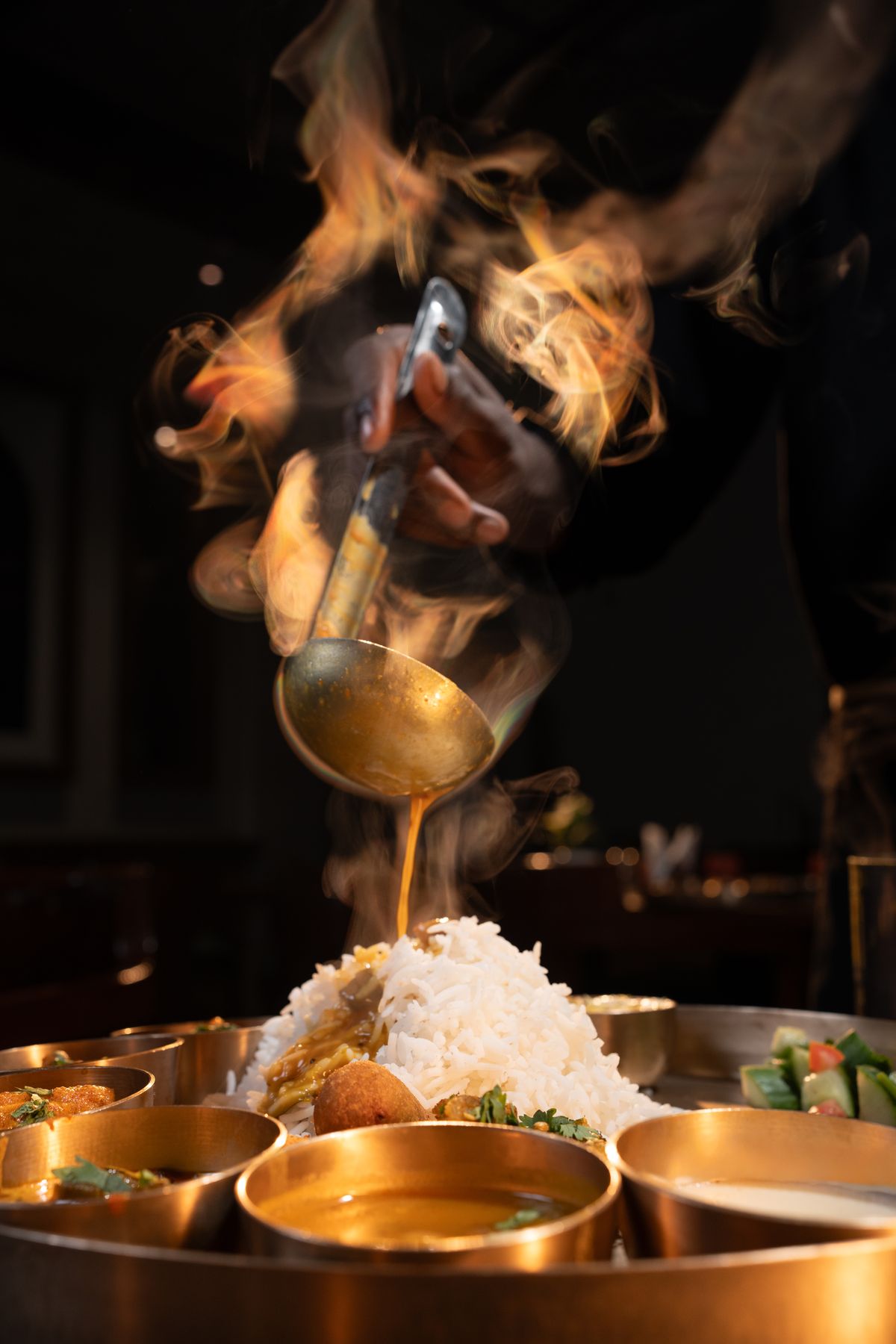
The Science of Spice Pairing: How Balance Shapes Every Dish at Dhoom
The Science of Spice Pairing: How Balance Shapes Every Dish at Dhoom
The Science of Spice Pairing: How Balance Shapes Every Dish at Dhoom
The Science of Spice Pairing: How Balance Shapes Every Dish at Dhoom
The Science of Spice Pairing: How Balance Shapes Every Dish at Dhoom
Dec 23, 2025
Dec 23, 2025
Dec 23, 2025
Dec 23, 2025
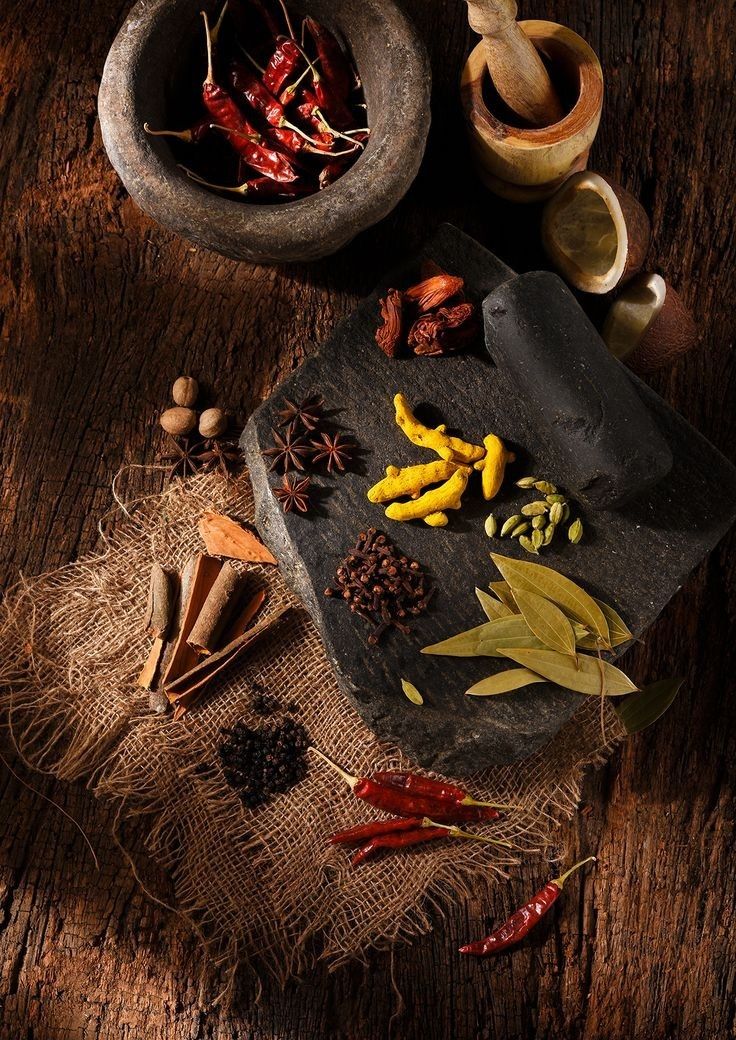
Indian cuisine is often celebrated for its boldness, but behind that boldness lies a precise and deliberate science. Every spice carries compounds that react differently to heat, fat, acid, and time. Pairing them is not guesswork. It is a study of chemistry, aroma, and cultural intuition. At Dhoom, spice pairing is a craft rooted in both tradition and modern understanding. We design flavors that feel expressive without overwhelm, refined without losing their Indian soul. Each dish is a composition of heat, fragrance, and texture shaped with intention.
Aroma Compounds as the Foundation of Pairing
Spices are defined by their essential oils. These oils give each spice its personality and determine how it interacts with other ingredients. Cumin’s warm, earthy aroma comes from cuminaldehyde. Cardamom’s floral sweetness is shaped by cineole. Black pepper delivers sharpness through piperine. When combined correctly, these compounds amplify each other rather than compete.
At Dhoom, we treat spices as aromatic instruments. We understand how certain compounds stabilize in fat, how others bloom in oil, and how some release their best qualities only when ground fresh. This helps us build dishes that feel layered and clean instead of heavy or muddled. The right combination of aromas makes the palate feel guided rather than crowded.
Indian cuisine is often celebrated for its boldness, but behind that boldness lies a precise and deliberate science. Every spice carries compounds that react differently to heat, fat, acid, and time. Pairing them is not guesswork. It is a study of chemistry, aroma, and cultural intuition. At Dhoom, spice pairing is a craft rooted in both tradition and modern understanding. We design flavors that feel expressive without overwhelm, refined without losing their Indian soul. Each dish is a composition of heat, fragrance, and texture shaped with intention.
Aroma Compounds as the Foundation of Pairing
Spices are defined by their essential oils. These oils give each spice its personality and determine how it interacts with other ingredients. Cumin’s warm, earthy aroma comes from cuminaldehyde. Cardamom’s floral sweetness is shaped by cineole. Black pepper delivers sharpness through piperine. When combined correctly, these compounds amplify each other rather than compete.
At Dhoom, we treat spices as aromatic instruments. We understand how certain compounds stabilize in fat, how others bloom in oil, and how some release their best qualities only when ground fresh. This helps us build dishes that feel layered and clean instead of heavy or muddled. The right combination of aromas makes the palate feel guided rather than crowded.
Indian cuisine is often celebrated for its boldness, but behind that boldness lies a precise and deliberate science. Every spice carries compounds that react differently to heat, fat, acid, and time. Pairing them is not guesswork. It is a study of chemistry, aroma, and cultural intuition. At Dhoom, spice pairing is a craft rooted in both tradition and modern understanding. We design flavors that feel expressive without overwhelm, refined without losing their Indian soul. Each dish is a composition of heat, fragrance, and texture shaped with intention.
Aroma Compounds as the Foundation of Pairing
Spices are defined by their essential oils. These oils give each spice its personality and determine how it interacts with other ingredients. Cumin’s warm, earthy aroma comes from cuminaldehyde. Cardamom’s floral sweetness is shaped by cineole. Black pepper delivers sharpness through piperine. When combined correctly, these compounds amplify each other rather than compete.
At Dhoom, we treat spices as aromatic instruments. We understand how certain compounds stabilize in fat, how others bloom in oil, and how some release their best qualities only when ground fresh. This helps us build dishes that feel layered and clean instead of heavy or muddled. The right combination of aromas makes the palate feel guided rather than crowded.
Heat, Acid, and Fat as Balancing Elements
Spice pairing is not only about spices. It is about the environment they live in. Heat determines how quickly spices release flavor. Acid sharpens or softens their edges. Fat carries aroma molecules and stabilizes intensity. Understanding these interactions allows us to create balance that feels natural.
Heat coaxes volatile oils to the surface. Slow blooming in warm ghee brings roundness. Quick blooming in hot oil creates brightness. Acid from tamarind, lime, or tomato helps reset the palate. Fat from ghee, coconut, or cream carries spice notes across the tongue. The result is harmony built from contrast and precision.
Our approach to balancing spice includes:
Blooming whole spices at controlled temperatures
Using acid to lift heavy spice blends
Choosing fat based on the spice’s aromatic profile
Layering spices at different stages for depth
Grinding only small batches for aroma fidelity
Tasting after each addition, not only at the end
Balance is not about reducing spice. It is about revealing it.
Heat, Acid, and Fat as Balancing Elements
Spice pairing is not only about spices. It is about the environment they live in. Heat determines how quickly spices release flavor. Acid sharpens or softens their edges. Fat carries aroma molecules and stabilizes intensity. Understanding these interactions allows us to create balance that feels natural.
Heat coaxes volatile oils to the surface. Slow blooming in warm ghee brings roundness. Quick blooming in hot oil creates brightness. Acid from tamarind, lime, or tomato helps reset the palate. Fat from ghee, coconut, or cream carries spice notes across the tongue. The result is harmony built from contrast and precision.
Our approach to balancing spice includes:
Blooming whole spices at controlled temperatures
Using acid to lift heavy spice blends
Choosing fat based on the spice’s aromatic profile
Layering spices at different stages for depth
Grinding only small batches for aroma fidelity
Tasting after each addition, not only at the end
Balance is not about reducing spice. It is about revealing it.
Heat, Acid, and Fat as Balancing Elements
Spice pairing is not only about spices. It is about the environment they live in. Heat determines how quickly spices release flavor. Acid sharpens or softens their edges. Fat carries aroma molecules and stabilizes intensity. Understanding these interactions allows us to create balance that feels natural.
Heat coaxes volatile oils to the surface. Slow blooming in warm ghee brings roundness. Quick blooming in hot oil creates brightness. Acid from tamarind, lime, or tomato helps reset the palate. Fat from ghee, coconut, or cream carries spice notes across the tongue. The result is harmony built from contrast and precision.
Our approach to balancing spice includes:
Blooming whole spices at controlled temperatures
Using acid to lift heavy spice blends
Choosing fat based on the spice’s aromatic profile
Layering spices at different stages for depth
Grinding only small batches for aroma fidelity
Tasting after each addition, not only at the end
Balance is not about reducing spice. It is about revealing it.
Heat, Acid, and Fat as Balancing Elements
Spice pairing is not only about spices. It is about the environment they live in. Heat determines how quickly spices release flavor. Acid sharpens or softens their edges. Fat carries aroma molecules and stabilizes intensity. Understanding these interactions allows us to create balance that feels natural.
Heat coaxes volatile oils to the surface. Slow blooming in warm ghee brings roundness. Quick blooming in hot oil creates brightness. Acid from tamarind, lime, or tomato helps reset the palate. Fat from ghee, coconut, or cream carries spice notes across the tongue. The result is harmony built from contrast and precision.
Our approach to balancing spice includes:
Blooming whole spices at controlled temperatures
Using acid to lift heavy spice blends
Choosing fat based on the spice’s aromatic profile
Layering spices at different stages for depth
Grinding only small batches for aroma fidelity
Tasting after each addition, not only at the end
Balance is not about reducing spice. It is about revealing it.
Regional Logic, Modern Interpretation
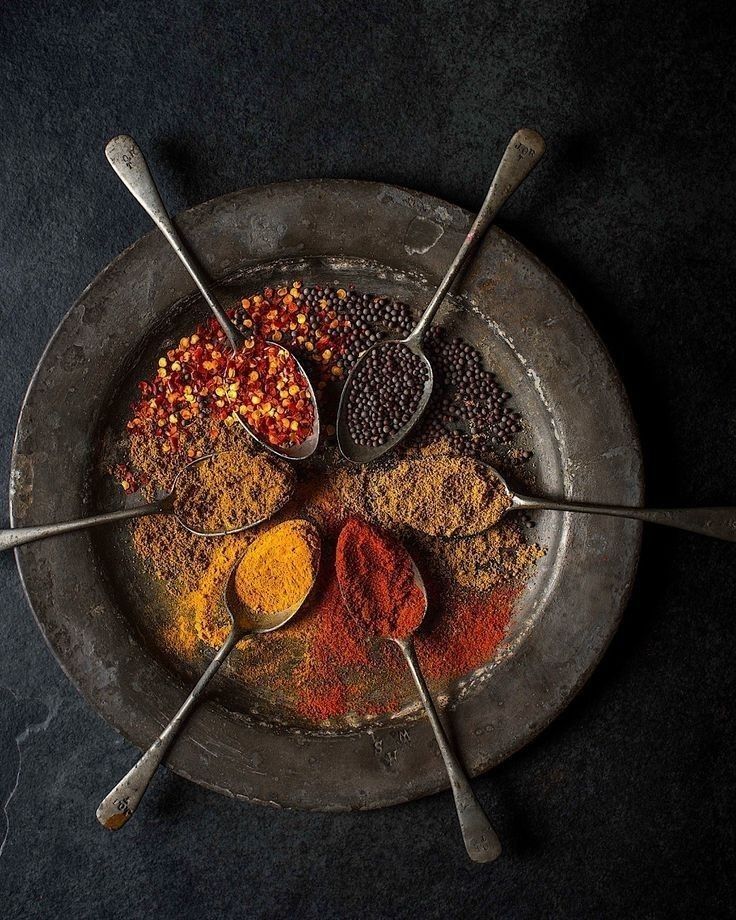
Spice pairing in India is shaped by geography. The coast favors mustard seeds, fenugreek, and curry leaf. The north builds gravies with cardamom, cloves, and cinnamon. The desert states lean on chilies, coriander, and dried herbs. Each region pairs spices according to climate, available fat, and cultural preference.
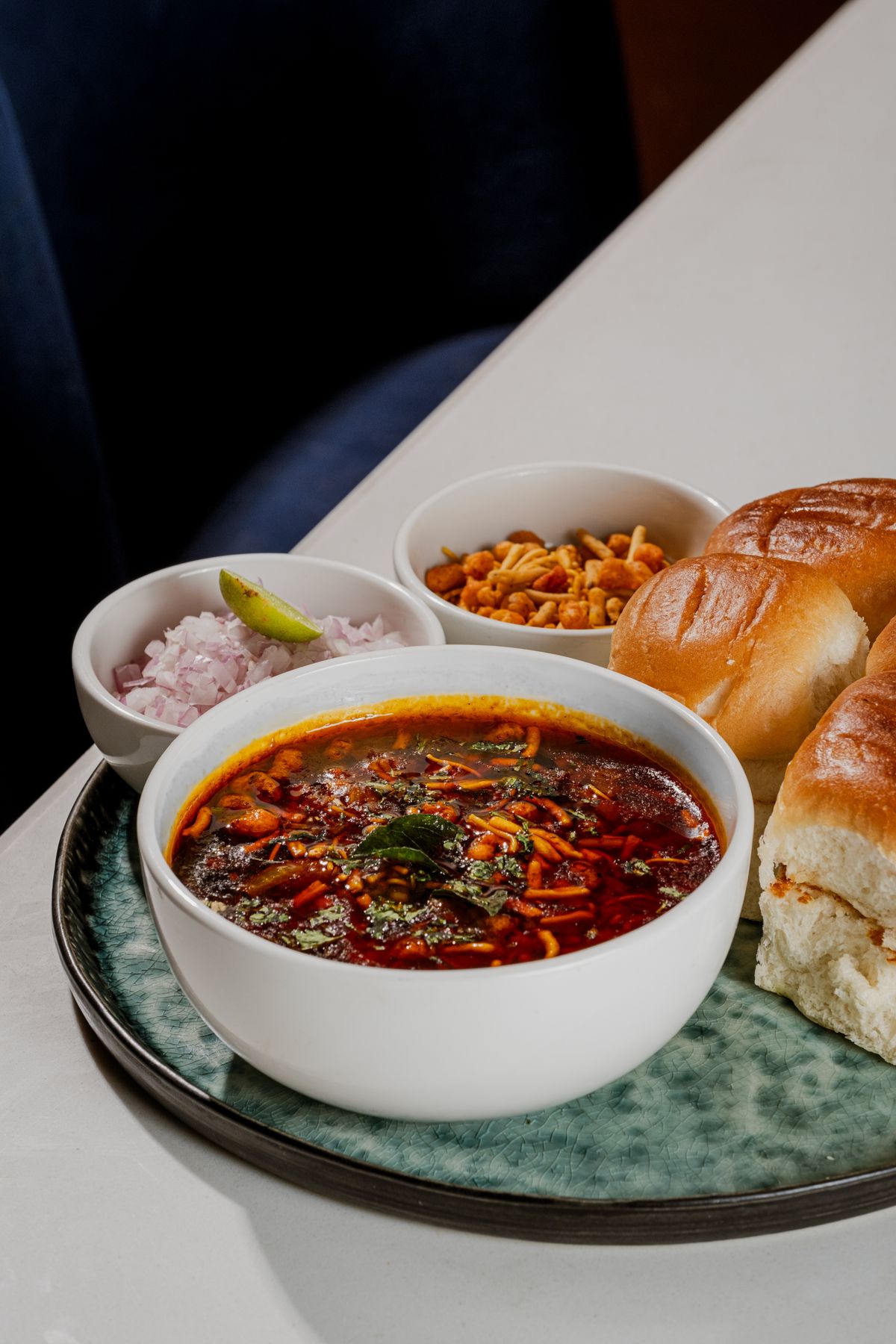
At Dhoom, we honor this logic while refining its application for a modern palate. We do not change the identity of a spice blend. We clarify it. We adjust blooming times, lighten textures, refine reductions, and balance spice intensity so that each note feels intentional. The result is cuisine that respects origin while speaking with contemporary clarity.
Regional Logic, Modern Interpretation
Spice pairing in India is shaped by geography. The coast favors mustard seeds, fenugreek, and curry leaf. The north builds gravies with cardamom, cloves, and cinnamon. The desert states lean on chilies, coriander, and dried herbs. Each region pairs spices according to climate, available fat, and cultural preference.
At Dhoom, we honor this logic while refining its application for a modern palate. We do not change the identity of a spice blend. We clarify it. We adjust blooming times, lighten textures, refine reductions, and balance spice intensity so that each note feels intentional. The result is cuisine that respects origin while speaking with contemporary clarity.
Regional Logic, Modern Interpretation
Spice pairing in India is shaped by geography. The coast favors mustard seeds, fenugreek, and curry leaf. The north builds gravies with cardamom, cloves, and cinnamon. The desert states lean on chilies, coriander, and dried herbs. Each region pairs spices according to climate, available fat, and cultural preference.
At Dhoom, we honor this logic while refining its application for a modern palate. We do not change the identity of a spice blend. We clarify it. We adjust blooming times, lighten textures, refine reductions, and balance spice intensity so that each note feels intentional. The result is cuisine that respects origin while speaking with contemporary clarity.
Regional Logic, Modern Interpretation
Spice pairing in India is shaped by geography. The coast favors mustard seeds, fenugreek, and curry leaf. The north builds gravies with cardamom, cloves, and cinnamon. The desert states lean on chilies, coriander, and dried herbs. Each region pairs spices according to climate, available fat, and cultural preference.
At Dhoom, we honor this logic while refining its application for a modern palate. We do not change the identity of a spice blend. We clarify it. We adjust blooming times, lighten textures, refine reductions, and balance spice intensity so that each note feels intentional. The result is cuisine that respects origin while speaking with contemporary clarity.
The Dhoom Approach: Clarity Over Complexity
A refined spice profile does not come from adding more. It comes from choosing better. At Dhoom, we design each dish to spotlight one or two hero spices supported by subtle layers. A biryani may center on cardamom and saffron. A curry might highlight fenugreek’s gentle bitterness balanced with ginger heat. A kebab may rely on cumin and black pepper for depth.
We do not rely on heavy spice blends. We rely on thoughtful pairing. Each spice is chosen for what it contributes physically and emotionally to the dish. The goal is clarity. Guests should be able to taste the identity of the dish without decoding a long list of ingredients.
Spice pairing is a dialogue between culture and chemistry. At Dhoom, we treat it as an art shaped by science. When spices bloom at the right temperature, when acid balances heat, when fat carries aroma, and when restraint guides the hand, Indian cuisine becomes both powerful and elegant. This is the flavor philosophy that defines modern Indian dining in Toronto, and it is the heart of every dish we create.
The Dhoom Approach: Clarity Over Complexity
A refined spice profile does not come from adding more. It comes from choosing better. At Dhoom, we design each dish to spotlight one or two hero spices supported by subtle layers. A biryani may center on cardamom and saffron. A curry might highlight fenugreek’s gentle bitterness balanced with ginger heat. A kebab may rely on cumin and black pepper for depth.
We do not rely on heavy spice blends. We rely on thoughtful pairing. Each spice is chosen for what it contributes physically and emotionally to the dish. The goal is clarity. Guests should be able to taste the identity of the dish without decoding a long list of ingredients.
Spice pairing is a dialogue between culture and chemistry. At Dhoom, we treat it as an art shaped by science. When spices bloom at the right temperature, when acid balances heat, when fat carries aroma, and when restraint guides the hand, Indian cuisine becomes both powerful and elegant. This is the flavor philosophy that defines modern Indian dining in Toronto, and it is the heart of every dish we create.
The Dhoom Approach: Clarity Over Complexity
A refined spice profile does not come from adding more. It comes from choosing better. At Dhoom, we design each dish to spotlight one or two hero spices supported by subtle layers. A biryani may center on cardamom and saffron. A curry might highlight fenugreek’s gentle bitterness balanced with ginger heat. A kebab may rely on cumin and black pepper for depth.
We do not rely on heavy spice blends. We rely on thoughtful pairing. Each spice is chosen for what it contributes physically and emotionally to the dish. The goal is clarity. Guests should be able to taste the identity of the dish without decoding a long list of ingredients.
Spice pairing is a dialogue between culture and chemistry. At Dhoom, we treat it as an art shaped by science. When spices bloom at the right temperature, when acid balances heat, when fat carries aroma, and when restraint guides the hand, Indian cuisine becomes both powerful and elegant. This is the flavor philosophy that defines modern Indian dining in Toronto, and it is the heart of every dish we create.
The Dhoom Approach: Clarity Over Complexity
A refined spice profile does not come from adding more. It comes from choosing better. At Dhoom, we design each dish to spotlight one or two hero spices supported by subtle layers. A biryani may center on cardamom and saffron. A curry might highlight fenugreek’s gentle bitterness balanced with ginger heat. A kebab may rely on cumin and black pepper for depth.
We do not rely on heavy spice blends. We rely on thoughtful pairing. Each spice is chosen for what it contributes physically and emotionally to the dish. The goal is clarity. Guests should be able to taste the identity of the dish without decoding a long list of ingredients.
Spice pairing is a dialogue between culture and chemistry. At Dhoom, we treat it as an art shaped by science. When spices bloom at the right temperature, when acid balances heat, when fat carries aroma, and when restraint guides the hand, Indian cuisine becomes both powerful and elegant. This is the flavor philosophy that defines modern Indian dining in Toronto, and it is the heart of every dish we create.