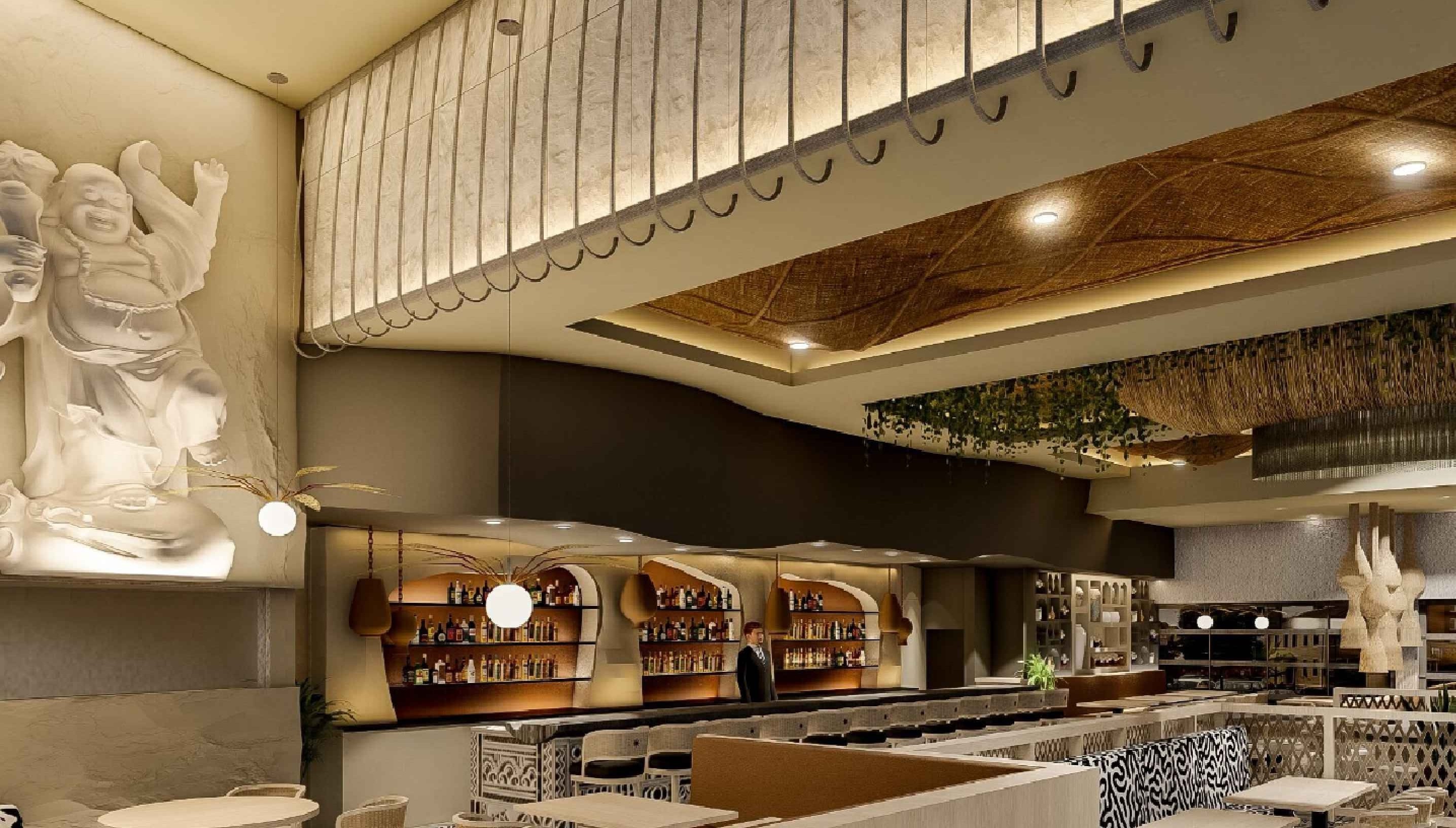
Designing Dhoom: Where Architecture Meets Appetite
Designing Dhoom: Where Architecture Meets Appetite
Designing Dhoom: Where Architecture Meets Appetite
Designing Dhoom: Where Architecture Meets Appetite
Designing Dhoom: Where Architecture Meets Appetite
Nov 13, 2025
Nov 13, 2025
Nov 13, 2025
Nov 13, 2025
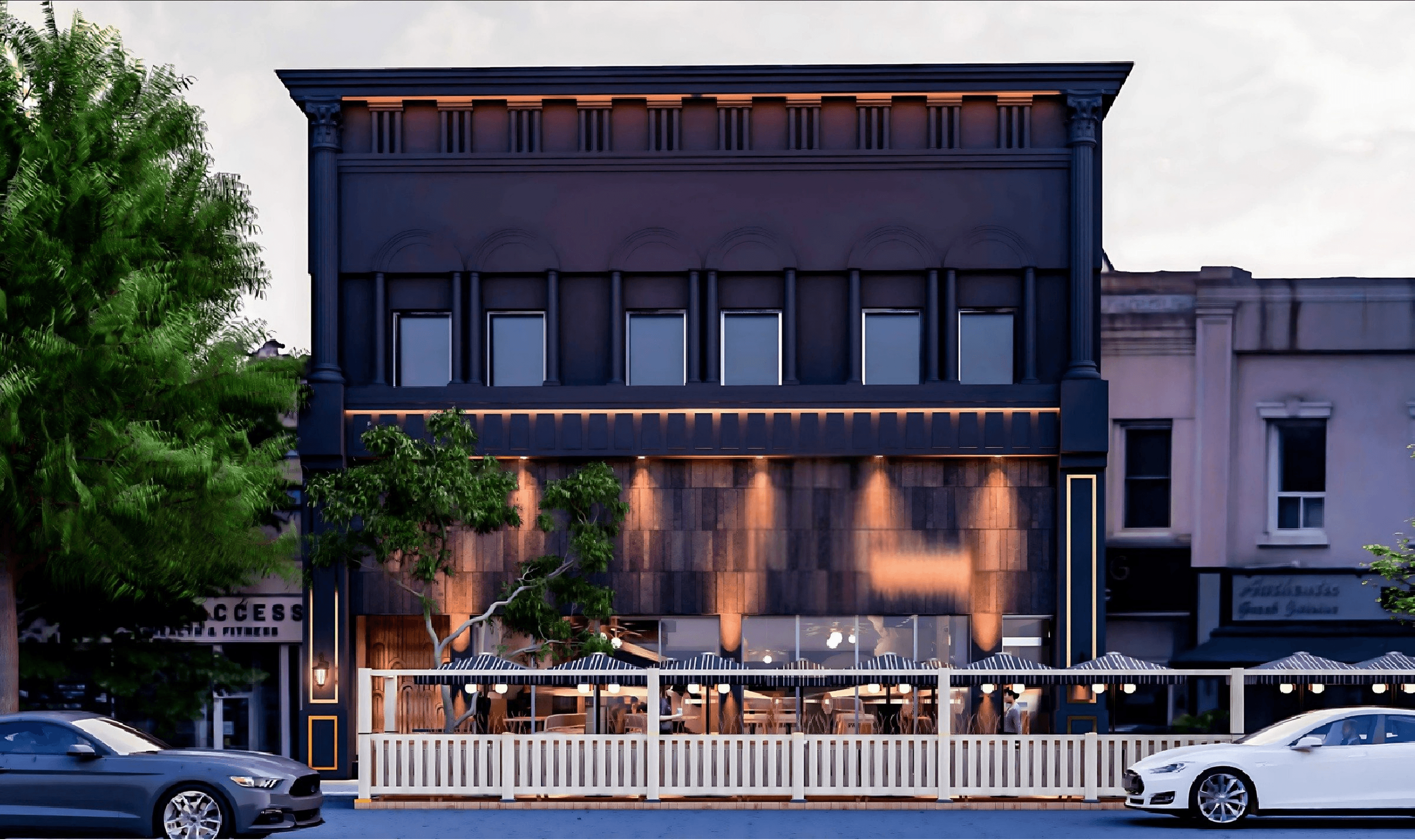
A restaurant should feel like a promise the moment you enter. Dhoom was designed with that idea at its core. The room is not meant to impress with noise. It is meant to settle the senses, guide attention, and let food take the lead. Architecture, lighting, material, and movement come together to create a space that feels calm, grounded, and quietly expressive.
Flow Before Furnishing
Before a single material was chosen, we mapped how people move through the room. Hosts need clear sightlines. Servers need routes that avoid hard corners. Guests need to sit without feeling watched or crowded. This flow determined everything from table spacing to the height of the bar.
Each seating cluster is shaped to hold conversation. No chair faces direct glare. No table sits in the path of a server carrying hot dishes. Corners open gently instead of breaking the line of movement. Even the distance between tables is tuned to let a whisper stay private while still keeping the room alive. When flow works, guests never think about it. They simply feel comfortable.
A restaurant should feel like a promise the moment you enter. Dhoom was designed with that idea at its core. The room is not meant to impress with noise. It is meant to settle the senses, guide attention, and let food take the lead. Architecture, lighting, material, and movement come together to create a space that feels calm, grounded, and quietly expressive.
Flow Before Furnishing
Before a single material was chosen, we mapped how people move through the room. Hosts need clear sightlines. Servers need routes that avoid hard corners. Guests need to sit without feeling watched or crowded. This flow determined everything from table spacing to the height of the bar.
Each seating cluster is shaped to hold conversation. No chair faces direct glare. No table sits in the path of a server carrying hot dishes. Corners open gently instead of breaking the line of movement. Even the distance between tables is tuned to let a whisper stay private while still keeping the room alive. When flow works, guests never think about it. They simply feel comfortable.
A restaurant should feel like a promise the moment you enter. Dhoom was designed with that idea at its core. The room is not meant to impress with noise. It is meant to settle the senses, guide attention, and let food take the lead. Architecture, lighting, material, and movement come together to create a space that feels calm, grounded, and quietly expressive.
Flow Before Furnishing
Before a single material was chosen, we mapped how people move through the room. Hosts need clear sightlines. Servers need routes that avoid hard corners. Guests need to sit without feeling watched or crowded. This flow determined everything from table spacing to the height of the bar.
Each seating cluster is shaped to hold conversation. No chair faces direct glare. No table sits in the path of a server carrying hot dishes. Corners open gently instead of breaking the line of movement. Even the distance between tables is tuned to let a whisper stay private while still keeping the room alive. When flow works, guests never think about it. They simply feel comfortable.
Materials That Create Calm
Every texture at Dhoom was chosen for how it behaves under light, sound, and touch. Woods with warm grain bring quiet familiarity. Stone surfaces carry subtle matte finishes so they do not reflect harshly. Metals are chosen for patina over shine so they age with grace.
Upholstery absorbs noise, keeping voices close instead of bouncing around the room. Wall tones are layered and soft, allowing light to land in gentle gradients. There are no loud patterns, no glossy surfaces fighting for attention. These materials create a calm visual landscape where food can stand out without competing against the room.
Materials That Create Calm
Every texture at Dhoom was chosen for how it behaves under light, sound, and touch. Woods with warm grain bring quiet familiarity. Stone surfaces carry subtle matte finishes so they do not reflect harshly. Metals are chosen for patina over shine so they age with grace.
Upholstery absorbs noise, keeping voices close instead of bouncing around the room. Wall tones are layered and soft, allowing light to land in gentle gradients. There are no loud patterns, no glossy surfaces fighting for attention. These materials create a calm visual landscape where food can stand out without competing against the room.
Materials That Create Calm
Every texture at Dhoom was chosen for how it behaves under light, sound, and touch. Woods with warm grain bring quiet familiarity. Stone surfaces carry subtle matte finishes so they do not reflect harshly. Metals are chosen for patina over shine so they age with grace.
Upholstery absorbs noise, keeping voices close instead of bouncing around the room. Wall tones are layered and soft, allowing light to land in gentle gradients. There are no loud patterns, no glossy surfaces fighting for attention. These materials create a calm visual landscape where food can stand out without competing against the room.
Materials That Create Calm
Every texture at Dhoom was chosen for how it behaves under light, sound, and touch. Woods with warm grain bring quiet familiarity. Stone surfaces carry subtle matte finishes so they do not reflect harshly. Metals are chosen for patina over shine so they age with grace.
Upholstery absorbs noise, keeping voices close instead of bouncing around the room. Wall tones are layered and soft, allowing light to land in gentle gradients. There are no loud patterns, no glossy surfaces fighting for attention. These materials create a calm visual landscape where food can stand out without competing against the room.


Light That Shapes Experience
Light is our most deliberate design tool. During the day, natural light filters through controlled openings so color remains true. As evening begins, lighting warms and drops lower to create a sense of intimacy. The pass receives clean, neutral illumination so chefs can judge glaze, texture, and doneness with clarity.
At the tables, lighting forms soft pools that make plates vivid and faces warm. There are no harsh spotlights. No shifting color tones. The bar receives a quiet, focused highlight that turns glass, metal, and liquid into a gentle glow. The aim is simple. Make guests feel present. When lighting works well, it becomes invisible. What remains is comfort.
Light That Shapes Experience
Light is our most deliberate design tool. During the day, natural light filters through controlled openings so color remains true. As evening begins, lighting warms and drops lower to create a sense of intimacy. The pass receives clean, neutral illumination so chefs can judge glaze, texture, and doneness with clarity.
At the tables, lighting forms soft pools that make plates vivid and faces warm. There are no harsh spotlights. No shifting color tones. The bar receives a quiet, focused highlight that turns glass, metal, and liquid into a gentle glow. The aim is simple. Make guests feel present. When lighting works well, it becomes invisible. What remains is comfort.
Light That Shapes Experience
Light is our most deliberate design tool. During the day, natural light filters through controlled openings so color remains true. As evening begins, lighting warms and drops lower to create a sense of intimacy. The pass receives clean, neutral illumination so chefs can judge glaze, texture, and doneness with clarity.
At the tables, lighting forms soft pools that make plates vivid and faces warm. There are no harsh spotlights. No shifting color tones. The bar receives a quiet, focused highlight that turns glass, metal, and liquid into a gentle glow. The aim is simple. Make guests feel present. When lighting works well, it becomes invisible. What remains is comfort.
Light That Shapes Experience
Light is our most deliberate design tool. During the day, natural light filters through controlled openings so color remains true. As evening begins, lighting warms and drops lower to create a sense of intimacy. The pass receives clean, neutral illumination so chefs can judge glaze, texture, and doneness with clarity.
At the tables, lighting forms soft pools that make plates vivid and faces warm. There are no harsh spotlights. No shifting color tones. The bar receives a quiet, focused highlight that turns glass, metal, and liquid into a gentle glow. The aim is simple. Make guests feel present. When lighting works well, it becomes invisible. What remains is comfort.
Details That Serve the Plate
Design extends into every detail guests touch. Table edges are rounded so the wrist rests softly. Chairs allow a natural lean forward for tasting and a relaxed lean back for conversation. Plate sizes are scaled so sauces breathe rather than pool. Glassware is chosen for aroma release and temperature hold.
Behind the scenes, storage sits close to the action to maintain rhythm. Waste is minimized through durable materials and efficient layouts. Even sound is designed through layered surfaces rather than speakers alone.
A few design rules guide our decisions:
Circulation always comes before aesthetic
Materials must age well rather than simply look new
Lighting should flatter food and people equally
Sound control begins with surfaces, not volume
Tableware must feel natural in the hand
Every detail must reduce friction for both guest and service
Dhoom is not designed to overwhelm. It is designed to focus. Guests may not remember the exact curve of a chair or the tone of the walls. They will remember how relaxed they felt, how the evening flowed without interruption, and how nothing distracted from the food. That is where architecture meets appetite. That is the heart of Dhoom.
Details That Serve the Plate
Design extends into every detail guests touch. Table edges are rounded so the wrist rests softly. Chairs allow a natural lean forward for tasting and a relaxed lean back for conversation. Plate sizes are scaled so sauces breathe rather than pool. Glassware is chosen for aroma release and temperature hold.
Behind the scenes, storage sits close to the action to maintain rhythm. Waste is minimized through durable materials and efficient layouts. Even sound is designed through layered surfaces rather than speakers alone.
A few design rules guide our decisions:
Circulation always comes before aesthetic
Materials must age well rather than simply look new
Lighting should flatter food and people equally
Sound control begins with surfaces, not volume
Tableware must feel natural in the hand
Every detail must reduce friction for both guest and service
Dhoom is not designed to overwhelm. It is designed to focus. Guests may not remember the exact curve of a chair or the tone of the walls. They will remember how relaxed they felt, how the evening flowed without interruption, and how nothing distracted from the food. That is where architecture meets appetite. That is the heart of Dhoom.
Details That Serve the Plate
Design extends into every detail guests touch. Table edges are rounded so the wrist rests softly. Chairs allow a natural lean forward for tasting and a relaxed lean back for conversation. Plate sizes are scaled so sauces breathe rather than pool. Glassware is chosen for aroma release and temperature hold.
Behind the scenes, storage sits close to the action to maintain rhythm. Waste is minimized through durable materials and efficient layouts. Even sound is designed through layered surfaces rather than speakers alone.
A few design rules guide our decisions:
Circulation always comes before aesthetic
Materials must age well rather than simply look new
Lighting should flatter food and people equally
Sound control begins with surfaces, not volume
Tableware must feel natural in the hand
Every detail must reduce friction for both guest and service
Dhoom is not designed to overwhelm. It is designed to focus. Guests may not remember the exact curve of a chair or the tone of the walls. They will remember how relaxed they felt, how the evening flowed without interruption, and how nothing distracted from the food. That is where architecture meets appetite. That is the heart of Dhoom.
Details That Serve the Plate
Design extends into every detail guests touch. Table edges are rounded so the wrist rests softly. Chairs allow a natural lean forward for tasting and a relaxed lean back for conversation. Plate sizes are scaled so sauces breathe rather than pool. Glassware is chosen for aroma release and temperature hold.
Behind the scenes, storage sits close to the action to maintain rhythm. Waste is minimized through durable materials and efficient layouts. Even sound is designed through layered surfaces rather than speakers alone.
A few design rules guide our decisions:
Circulation always comes before aesthetic
Materials must age well rather than simply look new
Lighting should flatter food and people equally
Sound control begins with surfaces, not volume
Tableware must feel natural in the hand
Every detail must reduce friction for both guest and service
Dhoom is not designed to overwhelm. It is designed to focus. Guests may not remember the exact curve of a chair or the tone of the walls. They will remember how relaxed they felt, how the evening flowed without interruption, and how nothing distracted from the food. That is where architecture meets appetite. That is the heart of Dhoom.